
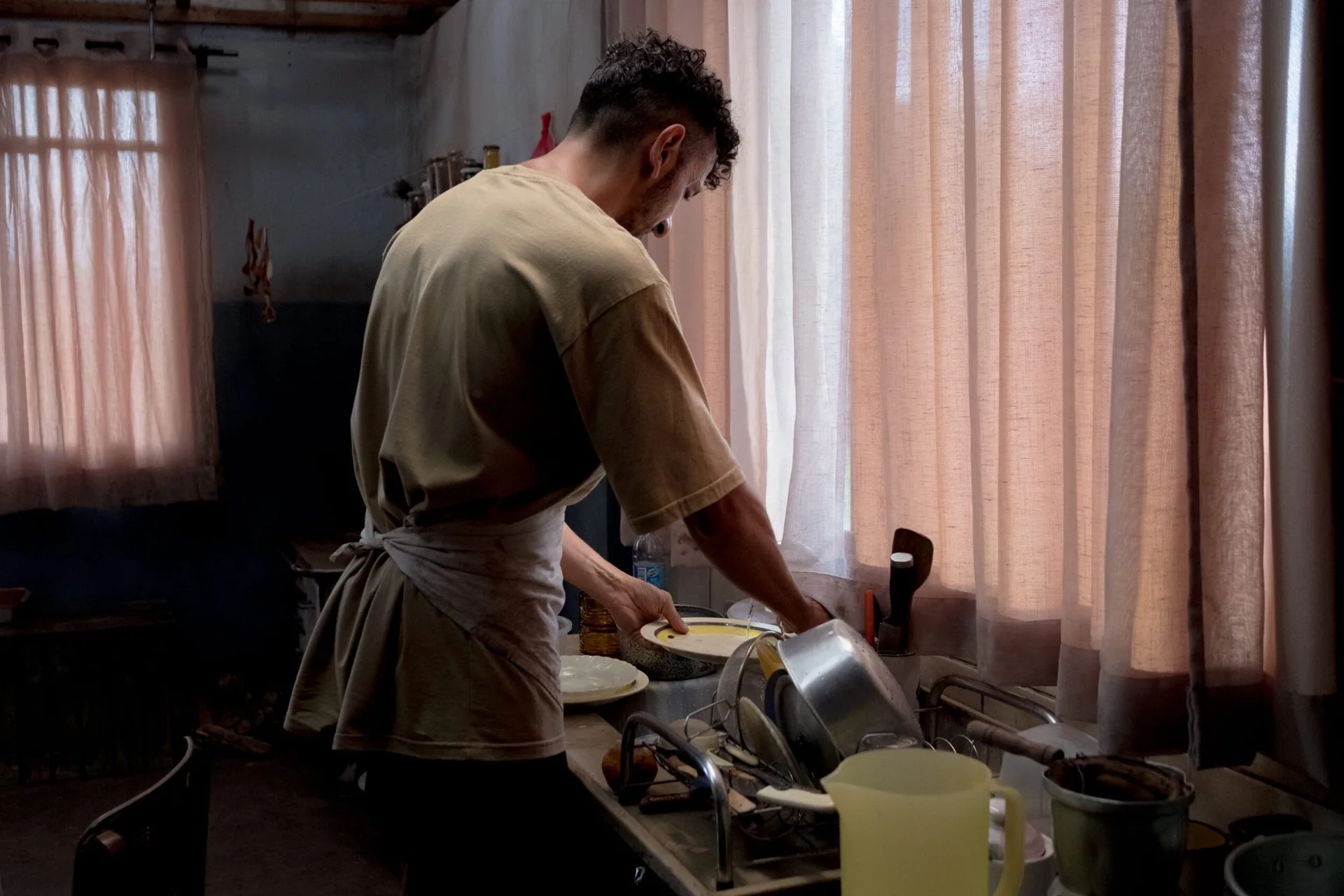
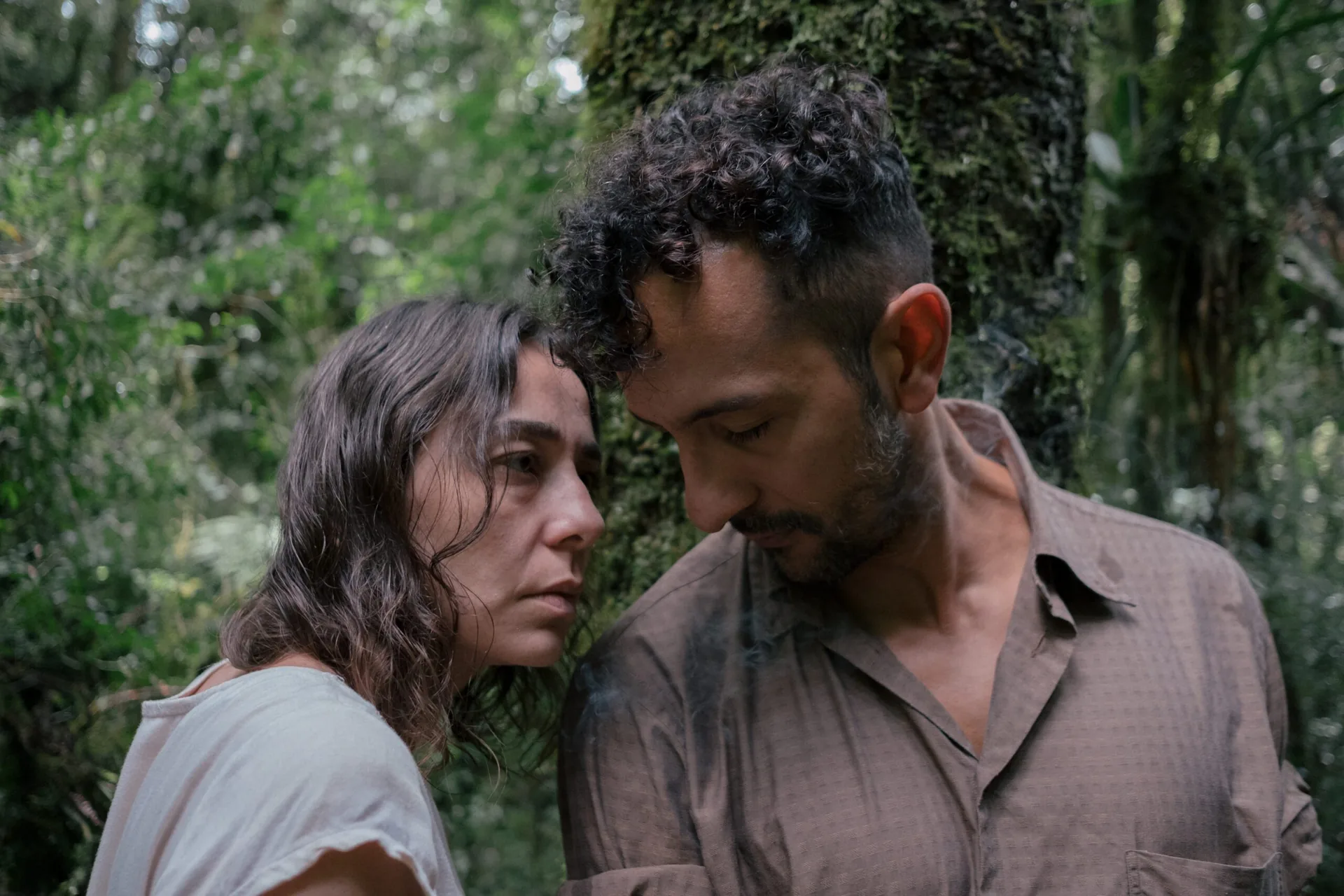
Renata lives in isolation in the countryside with her teenage daughter and husband, understanding fear as a normal feeling. The arrival of a stranger awakens in her a desire for everything that had been dormant.
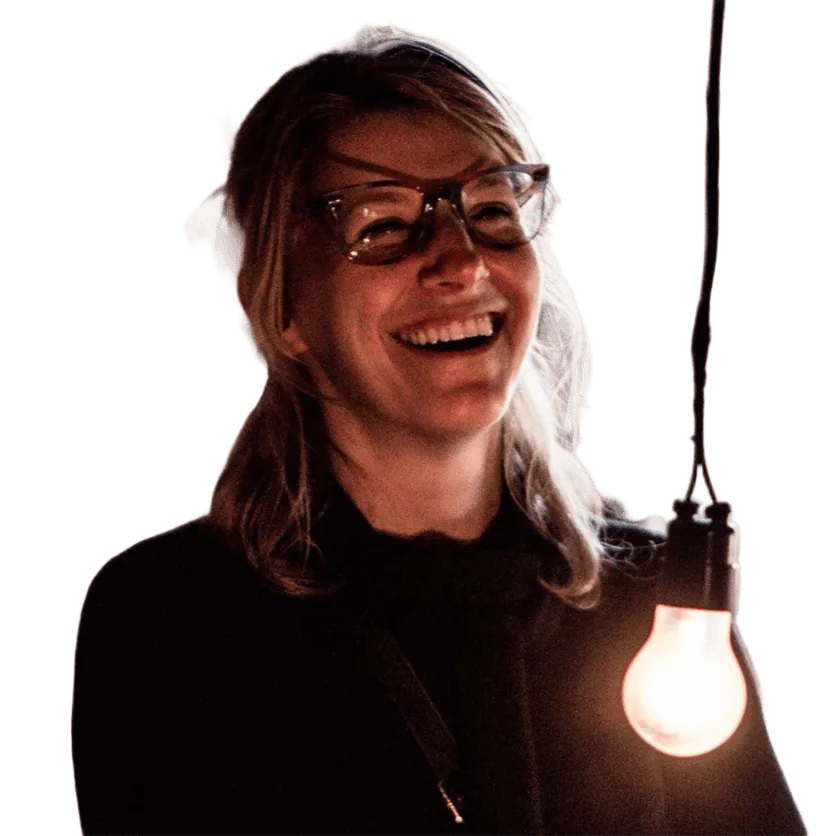
I was born in a rural village in the south region of Brazil and lived there until I was fifteen. “Remains of a Man” is about this world, well-known to me, of rural women—a subject that is rarely seen or discussed.
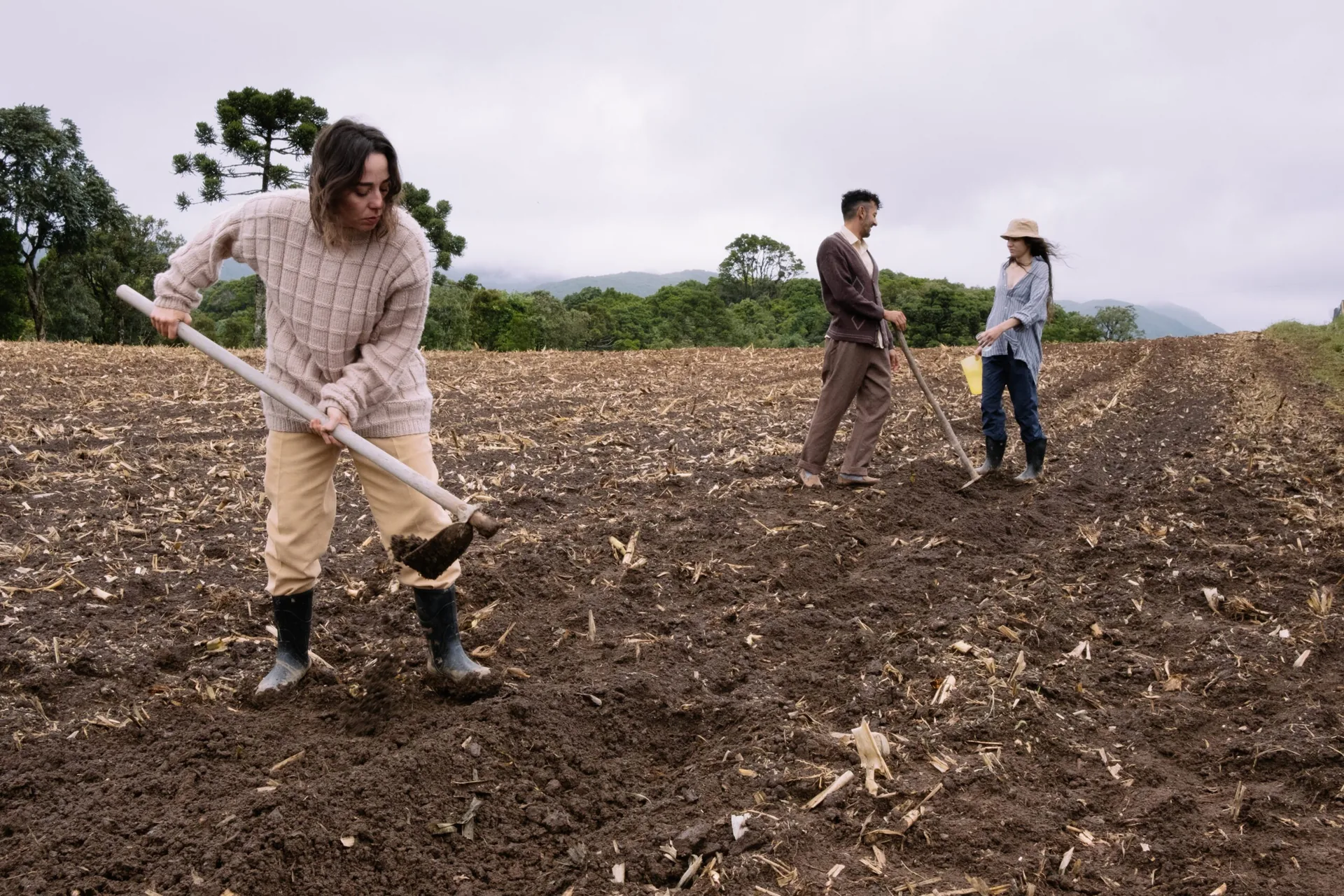
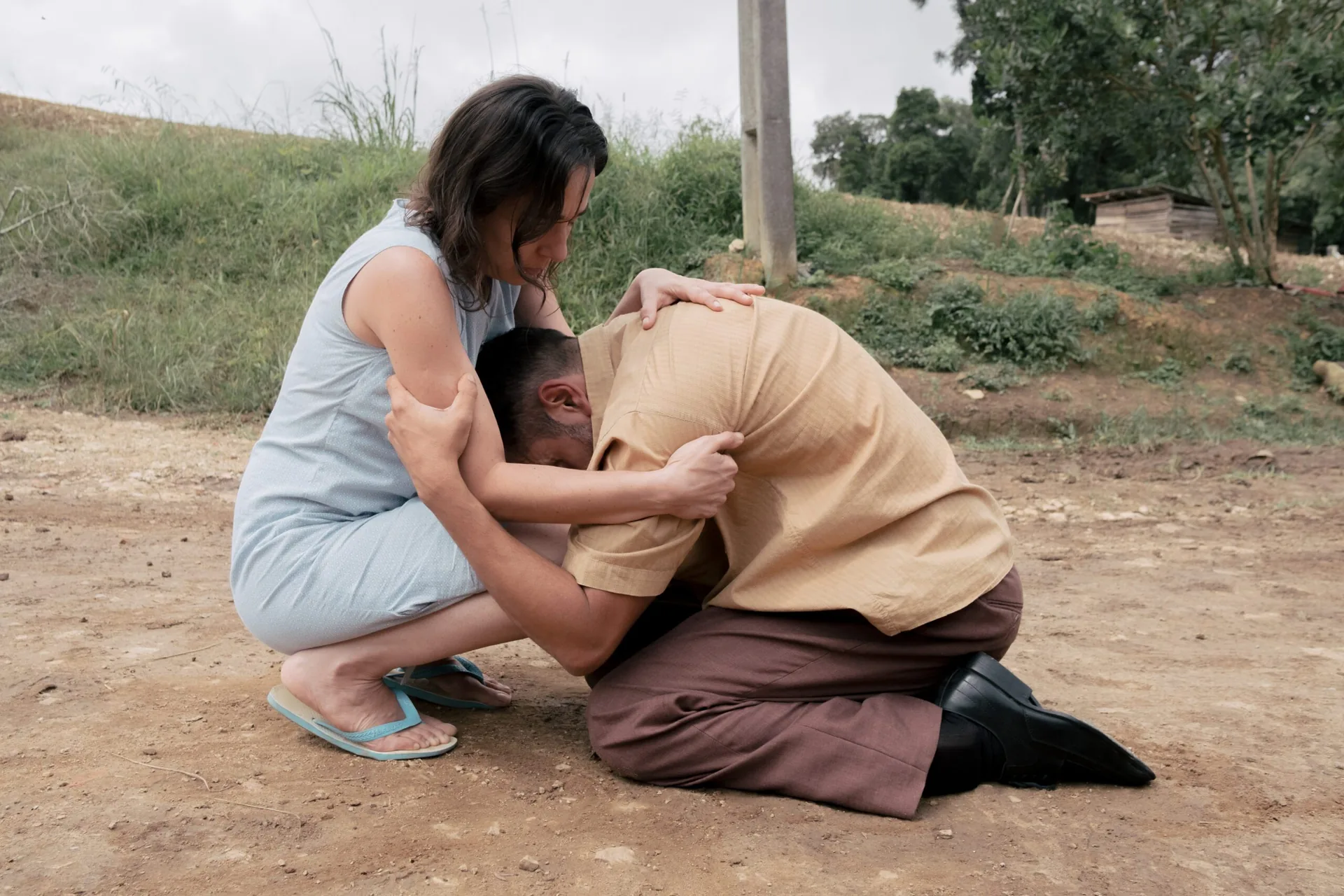
I was born in a rural village in the south region of Brazil and lived there until I was fifteen. “Remains of a Man” is about this world, well-known to me, of rural women—a subject that is rarely seen or discussed.
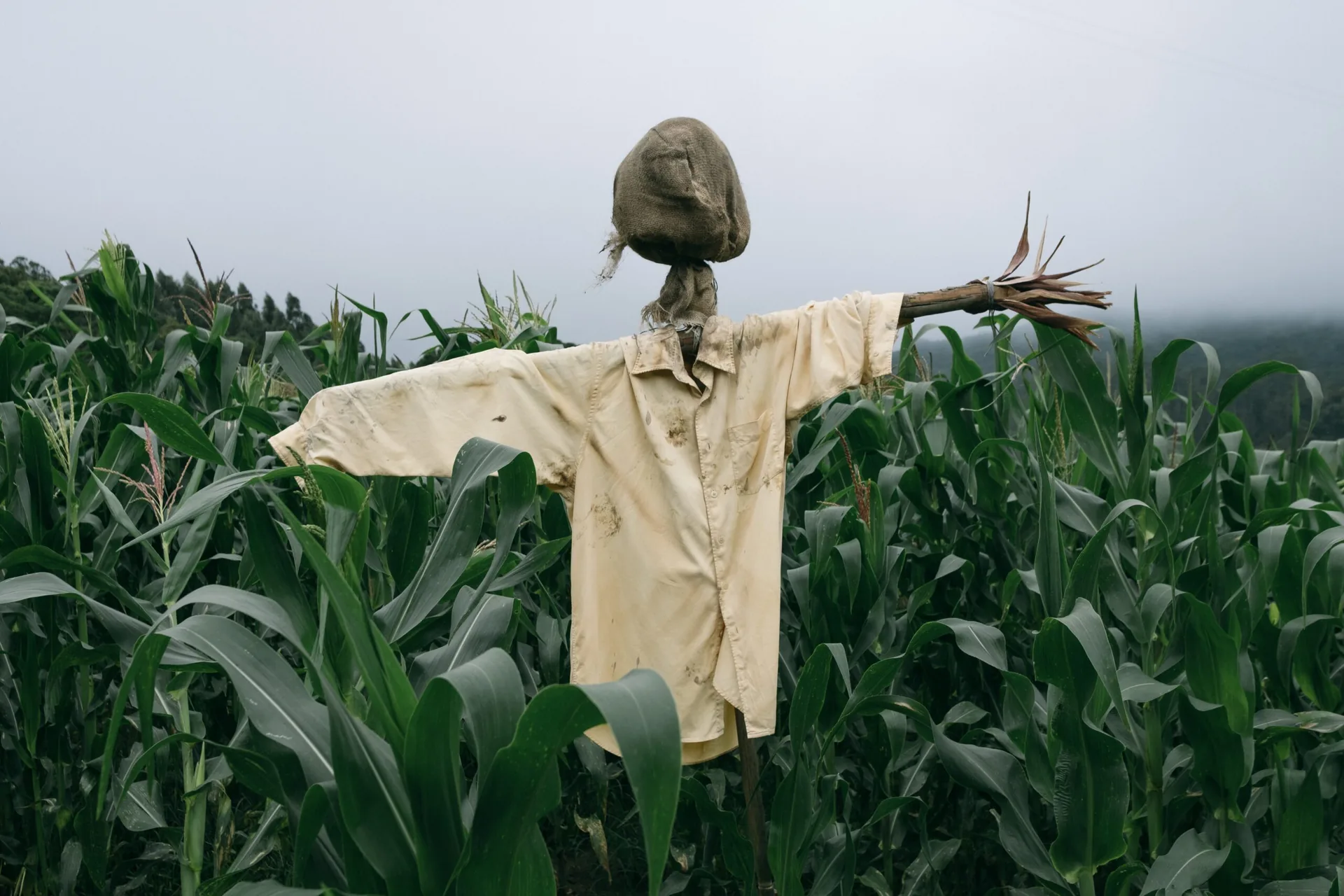
I view this film as a familiar inventory, showcasing autofiction within a family, as well as its roles and patterns. I have also directed my writing and research towards female desire, because I believe that this desire is primarily driven by intrinsic sexuality and social constructs. Once a woman releases her desire and her body, it is unlikely she will be guided by subservience. Therefore, it was crucial to bring this place of repressed desire and also freedom to the main character. I am also interested in working with nature, animals and all the symbolism that forces humans to confront their weaknesses.
We chose to make the film with a team composed mostly of women. Additionally, it was the first leading role for the actress Clarissa Kiste in a feature film. All these women had significant filmographies but had always been in supporting roles. Therefore, I believe that a film can also be transformative, not just for the characters, but for everyone involved in the project. — Ana Johann