

Horizon
In the twilight of adolescence and the first light of adulthood, our guide is Neto, who, from a roadside station, contemplates the paths he longs to follow. Ana dreams of fantastical destinations; Fú seeks no particular end, only the joy of the journey; Betão, nearing forty, continues to postpone his choice of direction; and Neto, in observing his friends, prepares for a leap. But where to? In this reverse road movie, Neto and his friends remain stranded while it is the road itself that moves before their eyes.
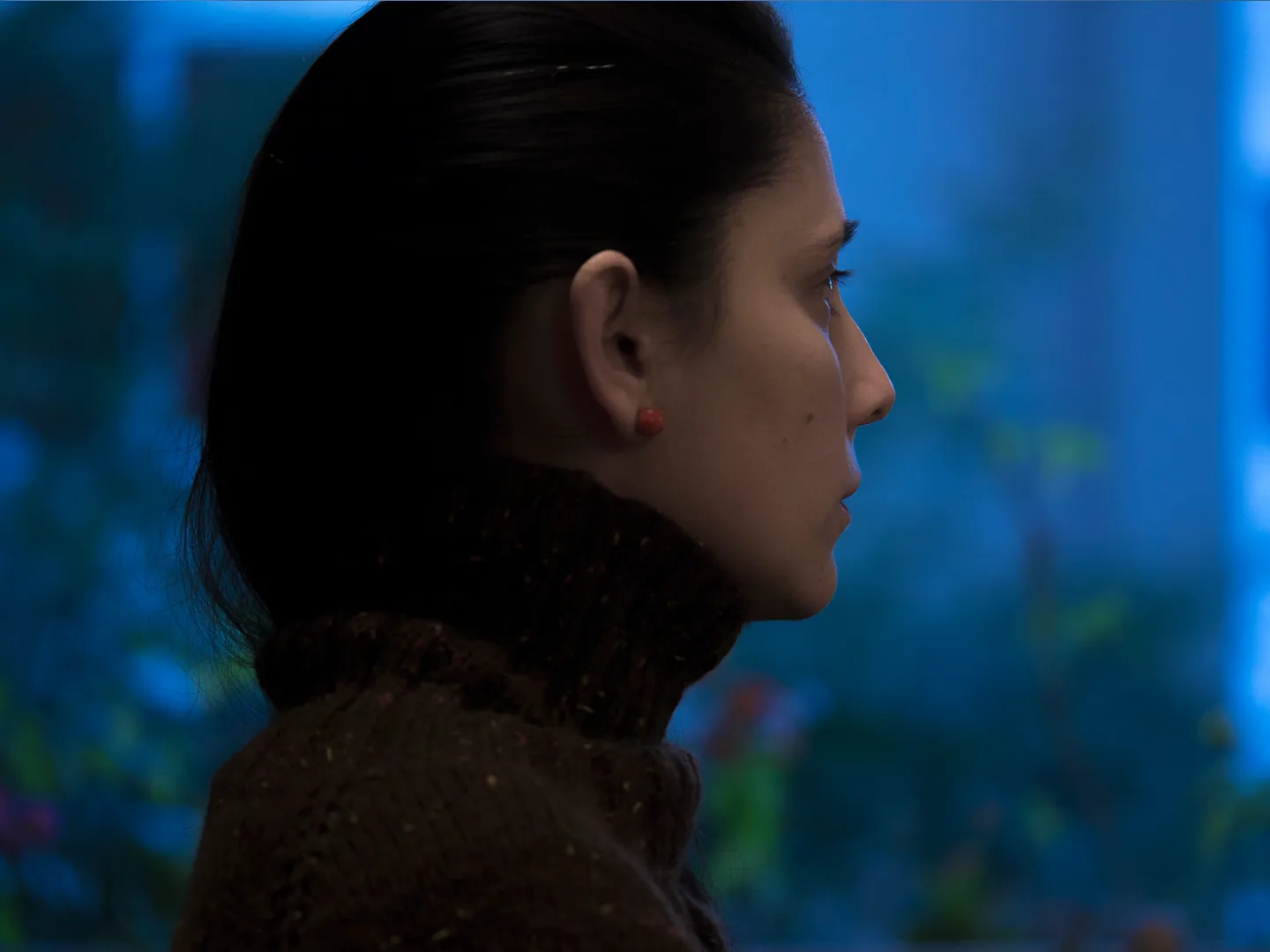
“Horizonte” fits within the broad spectrum of modern and contemporary works that address the beginning of youth, also known as coming-of-age stories. As in films of this genre, there is the discovery of love and sex in the encounters between Neto and his friend Ana; there is companionship and conflict with friends Polenta, Casca, Betão and Fú; and, above all, there are the grand dreams of the lives they would like to have, and the harsh limits of the reality in which they are embedded.


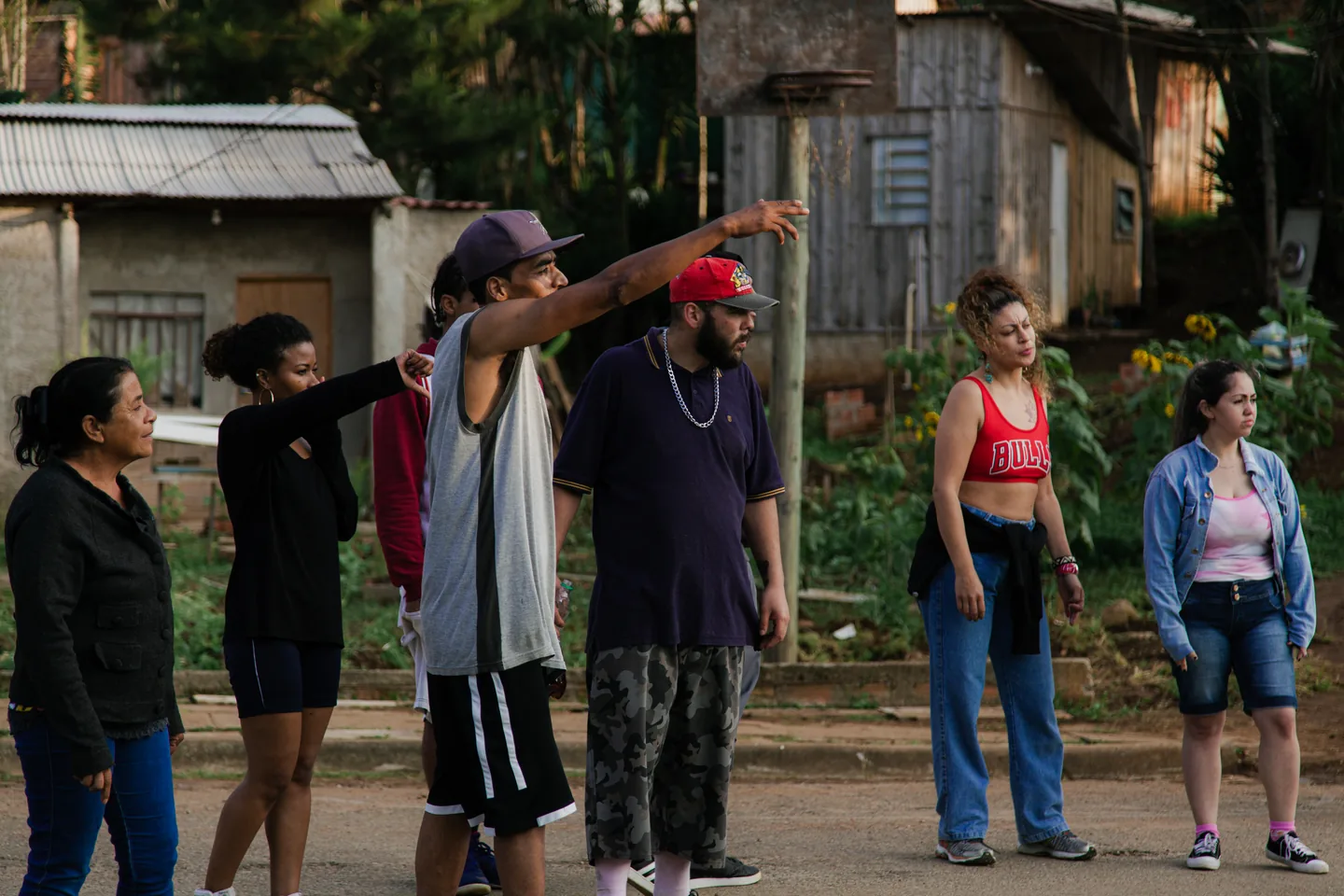

“Horizonte” fits within the broad spectrum of modern and contemporary works that address the beginning of youth, also known as coming-of-age stories. As in films of this genre, there is the discovery of love and sex in the encounters between Neto and his friend Ana; there is companionship and conflict with friends Polenta, Casca, Betão and Fú; and, above all, there are the grand dreams of the lives they would like to have, and the harsh limits of the reality in which they are embedded.
However, “Horizonte” tells this story of maturation from less usual perspectives: on the one hand, it delves into the intimate experience of the characters, exploring their existential concerns; on the other, it points to the socioeconomic context as a source of conflicts and frustrations. The film is set in the 1990s, a period when neoliberal practices intensified in the country. What interests the project is to investigate how this social and economic earthquake reverberated in the most intimate recesses of the subjectivity of those who experienced it.
To this end, the dramaturgical structure of the film resembles a weave, built through the interlacing of the various narrative threads of each character. Each of these threads presents a subtle dramatic progression. But it is in the reverberations of these stories upon one another (and especially of all of them upon Neto's story) that situations are put under tension, conflicts are created, and resolutions are outlined.
“Horizonte” works essentially with non-actors, natural lighting and diegetic sound, in order to capture the vitality of the dramatic situations as they unfold. However, this close engagement with reality is handled with technical and aesthetic precision, seeking to modulate the emotional states required for the development of the narrative. — Jessica Candal